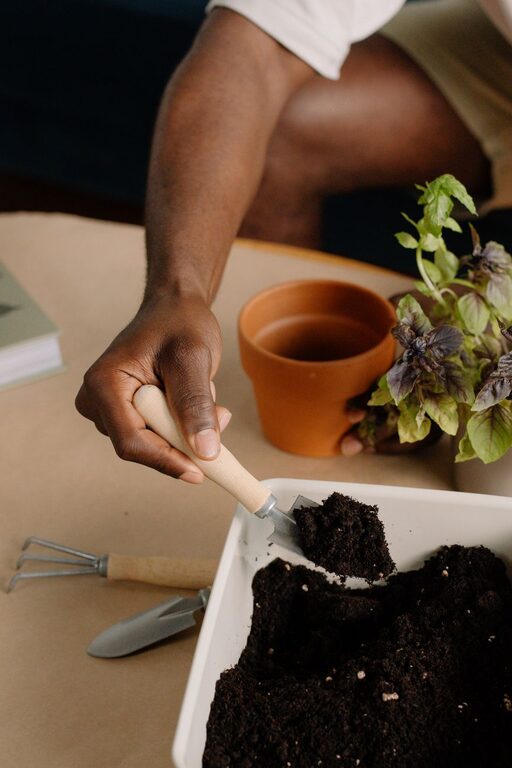
Starting a small herb garden indoors is a wonderful way to enjoy fresh flavors all year round, even if you don’t have outdoor space. Herbs are not only useful for cooking but can also brighten your home with greenery and pleasant scents. This guide will walk you through everything you need to start your indoor herb garden with confidence, from selecting the right herbs to caring for them properly.
Why Grow Herbs Indoors?
Growing herbs indoors has many benefits:
– Accessible fresh herbs for cooking any time.
– Saves money compared to buying fresh herbs regularly.
– Adds greenery to your living space.
– Improves air quality naturally.
– All-season growing regardless of outdoor weather.
With just a little planning and care, you can create a thriving herb garden right in your kitchen or on a sunny windowsill.
Choosing the Right Herbs
Some herbs are better suited for indoor growing than others. Here are some beginner-friendly options:
– Basil: Loves warm, sunny spots and is great for many dishes.
– Parsley: Tolerates some shade and is very versatile.
– Mint: Easy to grow, but keep it in its own pot as it spreads quickly.
– Thyme: Thrives in bright light and prefers drier soil.
– Chives: Tolerant of less direct sun and useful for garnishes.
– Oregano: Requires moderate sunlight and dry soil.
Select herbs based on what you like to cook with and the light conditions in your home.
Picking Containers and Soil
Containers
Choose pots with drainage holes to prevent waterlogging, which can cause root rot. You don’t need large pots; small to medium-sized containers work well. Options include:
– Terra cotta pots (allow soil to dry well)
– Plastic pots (retain moisture longer)
– Ceramic pots with drainage
If you want to get creative, you can also repurpose things like teacups or mason jars, but ensure drainage.
Soil
Use a high-quality potting mix specifically designed for indoor plants. Avoid using garden soil, which is often too dense for pots. A good potting mix drains well while holding enough moisture for herbs.
Finding the Perfect Spot
Most herbs need plenty of light to grow well—ideally 6-8 hours of sunlight per day. A south-facing window is usually best. If natural light is limited, consider using a grow light to supplement.
Tips for Placement
– Rotate pots regularly so all sides get light.
– Keep herbs away from drafts or heating vents.
– Group herbs with similar light and water needs together.
Planting Your Herbs
You can start herbs from seeds, starter plants, or cuttings.
– Seeds are economical but require patience and a little more care.
– Starter plants (small herb seedlings) are easier for beginners and quicker to harvest.
– Cuttings can be rooted in water before planting.
Fill your pots with potting mix, plant seeds or seedlings according to package instructions, and water gently.
Watering and Feeding
Watering
Most herbs prefer to dry out slightly between waterings. Check soil moisture by sticking your finger about an inch into the soil:
– If dry, it’s time to water.
– If still moist, wait a day or two.
Water until it drains from the bottom of the pot. Empty any excess water from saucers to avoid root rot.
Feeding
Herbs benefit from light feeding every 4-6 weeks during the growing season. Use a balanced, water-soluble fertilizer diluted to half strength. Avoid overfertilizing, which can reduce flavor intensity.
Pruning and Harvesting
Regular pruning encourages bushier growth and prevents herbs from becoming leggy.
– Pinch off tips just above a pair of leaves.
– Avoid removing more than one-third of the plant at once.
– Harvest leaves as needed, preferably in the morning when oils are strongest.
Pruning also helps prevent flowering, which can make herbs bitter.
Common Challenges and Solutions
– Yellowing leaves: Often caused by overwatering or poor drainage.
– Leggy growth: Usually due to insufficient light; move plants closer to a light source.
– Pests: Indoor herbs may attract aphids or spider mites; rinse leaves gently and consider natural pest control methods.
Additional Tips for Success
– Clean leaves occasionally with a damp cloth to remove dust.
– Use humidifiers or mist herbs if indoor air is dry.
– Re-pot plants annually if they outgrow their containers.
Enjoying Your Indoor Herb Garden
With proper care, your indoor herb garden will provide fresh, fragrant leaves for cooking, teas, and garnishes. Plus, nurturing plants indoors can be a relaxing and rewarding hobby.
Start small, experiment with different herbs, and watch your indoor garden grow!
—
Whether you’re a seasoned gardener or a complete beginner, an indoor herb garden is a simple and enjoyable way to bring a bit of nature inside and spice up your meals naturally. Happy gardening!
About the Author